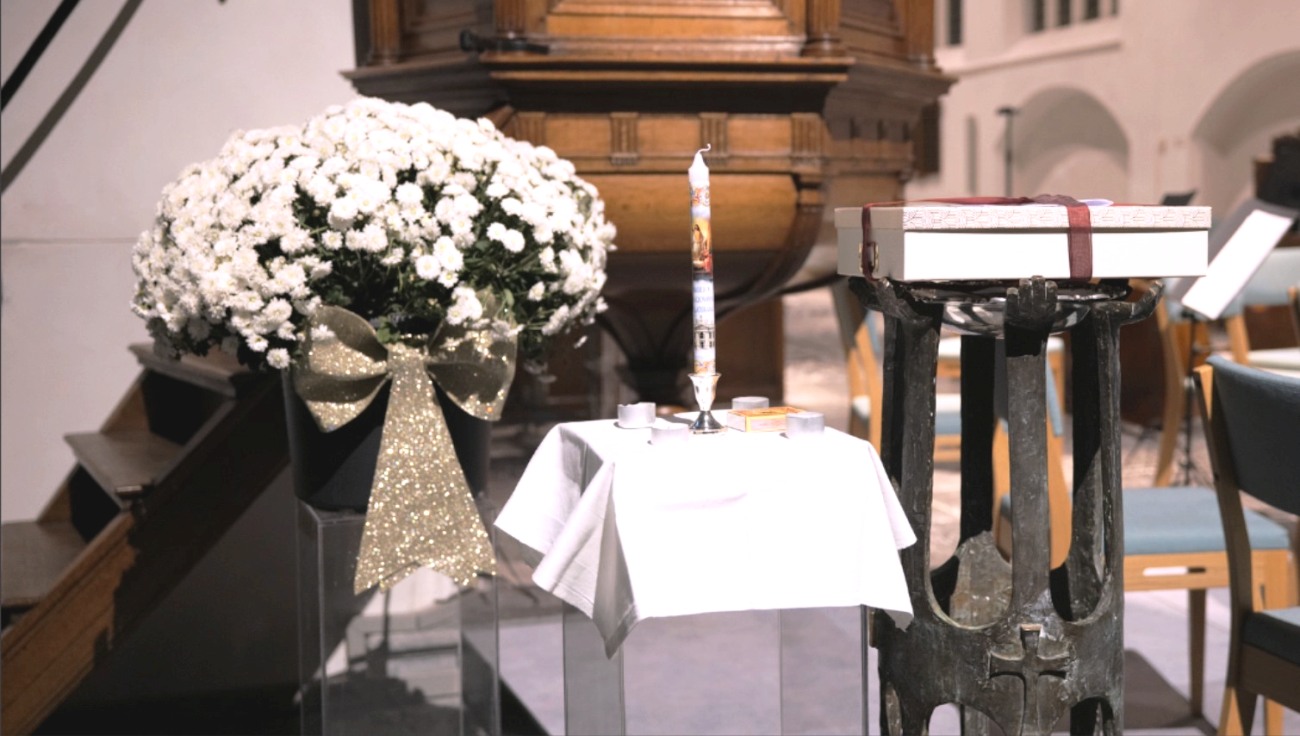
Ciater Pass
A Mindful Word
History – Ciater Pass
The Tjaterstelling or Ciater Pass commemorates the fallen KNIL soldiers who defended Bandung in 1942. during WWII. For those unfamiliar with this episode of Dutch forces defending Bandung in Indonesia, it remains a profound memory at Pandu memorial fields.
The Project
The Ciater Pass Symphony is a tribute at the heart of this historical event. Through music, we honor these men and their legacy, giving that memory a lasting place that can be felt, shared, and remembered mindfully. Mindful Music In Concert presents a new composition where reflection and historical awareness unite. The work connects to the Ciater Pass event—not only as musical interpretation but as respect for their sacrifice, carrying a message of peace, recovery, and continuity for the future.
Meaningful Music
The composition adds deeper meaning to history by turning remembrance into an experience that lives beyond ceremonies. This preserves historical value while Mindful Music In Concert makes the story contemporary and emotionally accessible.
Honors
Honoring the KNIL at Pandu and the Ciater Pass
This context links closely through remembrance of 1942 events and the reburial of fallen soldiers at Bandung’s cemetery. That historical bond makes the project meaningful as both performance and respectful continuation of memory and reconciliation. This opportunity presents a musical experience in a transformative way, performed with classical elements that capture the lives of young men while highlighting fragments of letters, survivor stories, and family accounts reflecting their loss and enduring embrace.
MMIC: A Musical Journey into Awareness
Mindful Music In Concert involves special partners to accompany this performance and experience.
By immersing in a moment of connection, featuring a thoughtfully crafted soundscape of story telling to elevate your individual experience and support the memorial elements.
About The Ciater Pass Symphony
Composer and Director – Visioner
The story behind the Symphony
Mindful Music In Concert discovered by chance a fallen soldier’s final letter to his brother—written just before joining the KNIL. Filled with joy, hope, and dreams of normal life and freedom, it radiated optimism for the future.
Reality struck brutally. That hope shattered instantly during the 1942 Tjiater Line defense—the KNIL’s final stand against Japanese invasion forces. This symphony tells their story: ordinary young men whose brief lives ended abruptly, their brotherhood forged in those desperate final days.
Through transformative symphonic architecture, the Ciater Pass Symphony resurrects their memory, drawing from authentic soldiers’ correspondence, archival photography, eyewitness accounts, and family testimonies. Across six meticulously structured movements, it chronicles the complete arc—from hopeful mobilization to transcendent rebirth—transforming military tragedy into universal testament of resilience and peace.
This landmark composition creates an indelible cultural monument, bridging personal sacrifice with spiritual immortality for future generations.
The Ciater Pass Symphony movements:
I. Maestoso – Avanzata camerati
Soldiers march to Tjiater Line. Mixed troops: Dutch (KNIL), Indo-Europeans, Moluccans. Brotherhood before battle begins.
II. Allegro energico – Martirio KNIL
Defense of Tjiater Line. KNIL against Japanese infantry. Ammunition dwindles, comrades fall.
III. Andante con moto – Capitulatione
March 8, 1942: Capitulation orders from Bandoeng. Weapons laid down. No heroic last stand – Japanese victory.
IV. Adagio doloroso – Kyrie Eleison
Solemn prayer for fallen soldiers and KNIL comrades from Tjiater region. Remembrance of brotherhood that took place in 1942.
V. Allegro vivace – Gloria Franciscus
Poetic vision: Soldier Francis reunited with comrades at ereveld monument. Franciscus of Assisi as symbol of comradeship. Eternal rest.
VI. Largo – Feniks (phoenix)
The rebirth: symbol of the Phoenix – metaphorical reference to the mythical bird from Greek/Egyptian tradition – rising from ashes.
Pandu
A monument of Peace and Recovery
Pandu war cemetery’s history is deeply intertwined with significant events of World War II and the post-world war period. The cemetery’s inauguration on 7 March 1948 coincided with the sixth anniversary of the surrender of the Ciater Pass and the fall of the Dutch East Indies to Japan. This date was chosen to respect the memory of those who perished in the defense of the Ciater Pass, including the 14 military personnel whose remains were reburied at the cemetery during the inauguration ceremony. Memorial field Pandu’s layout is symbolic; when viewed from above, the cemetery is shaped like a sword, a powerful symbol facing the Tangkuban Perahu mountain.
This design reflects the nearby Battle of the Ciater Pass, which occurred at the mountain’s foothills, further emphasizing the site’s historical significance.
Beyond remembrance, Pandu carries a message of the importance of peace, recovery, and continuity. It acknowledges the sacrifice of the past while pointing toward a future shaped by understanding, healing, and human connection.
The KNIL
1814–1942
KNIL armored troops 1941 one year before the Japanese invasion of the Dutch East Indies
The KNIL was formed by royal decree on 14 September 1814.[1] It was not part of the Royal Netherlands Army, but a separate military arm specifically formed for service in the Netherlands East Indies. Its establishment coincided with the Dutch drive to expand colonial rule from the 17th century area of control to the far larger territories constituting the Dutch East Indies seventy years later
Pandu war cemetery commemorates more than 4,000 war victims, including civilians from nearby
internment camps and military personnel from the Royal Netherlands East Indies Army (KNIL).
It stands as a reminder of those who died during the Japanese occupation and the difficult years that
followed the end of the Second World War in 1945

Historical overview
The story of the Ciater Pass is part of the wider history of the final defense of Bandung in 1942. It reflects a moment of loss, resilience, courage and the deep human cost of war. Memorial fields at Pandu stands as an official center place of remembrance linked to this history, making the project not only musical, but also deeply connected to heritage and commemoration. Quick link documentary
Tribute and donation
The context of bringing a tribute to the Dutch KNIL is intended as an artistic act of gratitude and respect.
It translates remembrance into sound, allowing the audience to experience history not only as information, but as reflection, emotion, and reminiscence. In this way, the music becomes a bridge between the past and the present.
By purchasing a Mindfulness Ciater Pass – Angel Ticket:|
1. You will be helping us to donate a flowerbed for the flag pole monuments
References
Accuracy Standards
All facts presented respect primary documentation—no speculation or unverified claims, or alteration.
Ethical Use
We prioritize factual integrity, citing originals to honor victims’ memory and historical precision, avoiding any reinterpretation that could misrepresent event
https://www.erelijst.nl/
https://www.onsland.nl/
https://www.nationaalarchief.nl/
https://id.wikipedia.org/wiki/Pertempuran_Perlintasan_Ciater
https://tjiaterstelling.jouwweb.nl/ereveld-pandu
https://oorlogsgravenstichting.nl/monumenten/bandung-ereveld-pandu (4,000+ KNIL graves)
LIV Orchestra
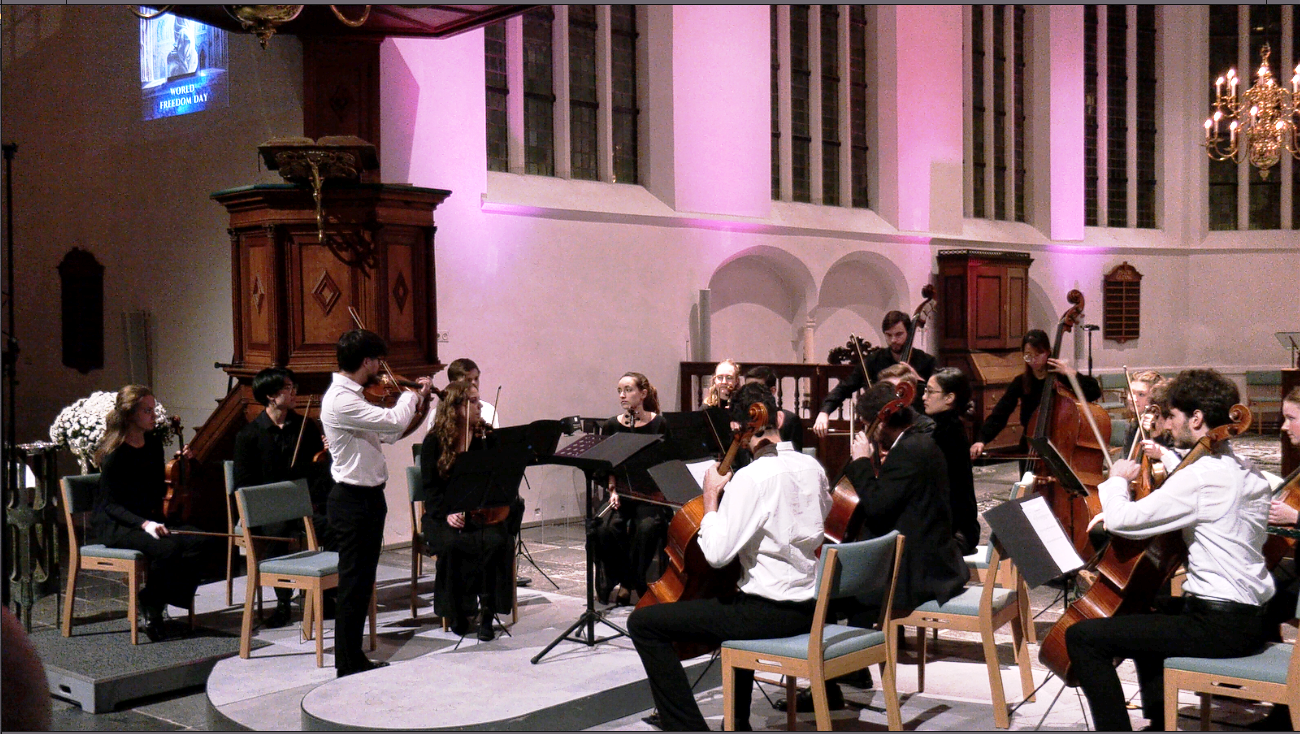
THe Honors
Read more about our latest program